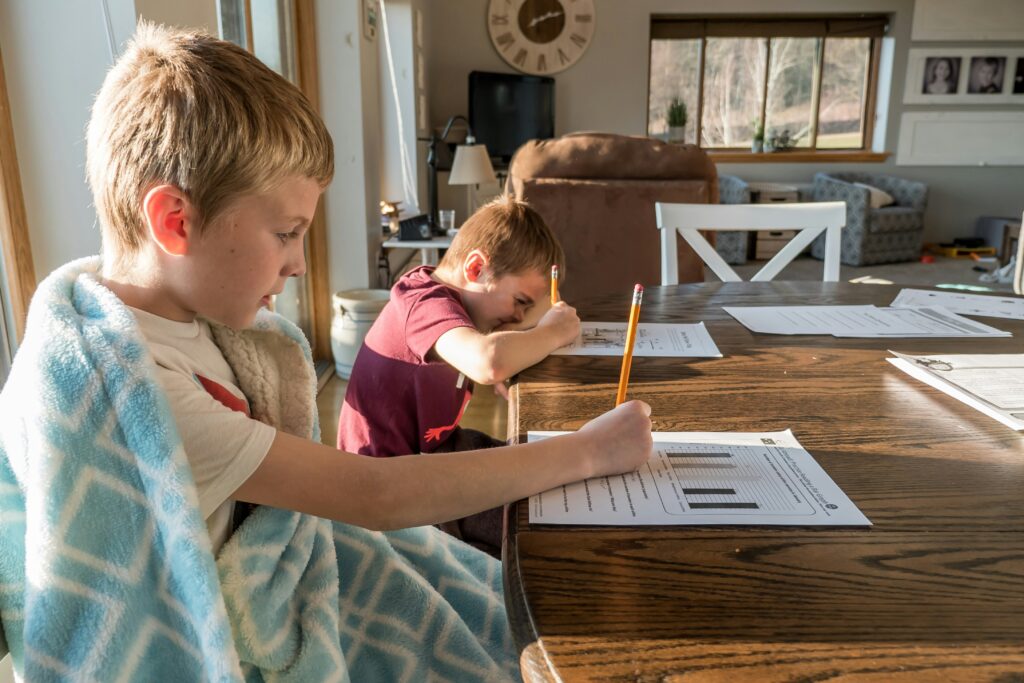
It started with a question about clouds. An hour later, there are three open books on the kitchen table, a half-eaten snack, and a child who now wants to know how weather works on other planets.
You didn’t teach that. You just didn’t stop it.
That’s homeschooling on its best days, and there are more of those days than most people expect.
You Don’t Need to Have It All Figured Out Before You Start
The most common thing new homeschool families say, six months in, is: “I wish I’d started sooner and worried less.”
You don’t need a perfect curriculum before you begin. You don’t need a dedicated schoolroom. You need enough to take the next step, then the next one after that. You’ll learn what works for your family by doing it.
Understand the Legal Requirements in Your State
Before anything else, find out what homeschooling looks like legally where you live. Requirements vary significantly by state. Some require notification to your local school district, regular assessments, or records of what you’ve covered. Others require almost nothing at all.
The Home School Legal Defense Association (HSLDA) maintains an up-to-date map of requirements by state. Spend thirty minutes understanding your specific obligations so you can move forward clearly. For a full breakdown of what each state actually requires, our guide to homeschool laws by state walks you through the details.
Start your homeschool journey organized
Grab the free Weekly Homeschool Planner and begin with confidence, not overwhelm.
Choose Your Starting Philosophy
Classical education follows a three-stage model emphasizing language, literature, and critical thinking. Rigorous and time-tested.
Charlotte Mason centers on living books, nature study, and short focused lessons. Gentle and literature-rich, works especially well for children who learn through narrative and connection.
Unit studies organize learning around themes. A study of ancient Egypt might cover history, geography, art, science, and writing all at once. Good for families with multiple ages.
Eclectic homeschooling, the approach most families settle into, draws from multiple philosophies depending on the subject and the child. You don’t have to decide permanently. Start with what feels right and adjust from there.
Start With Three Things, Not Ten
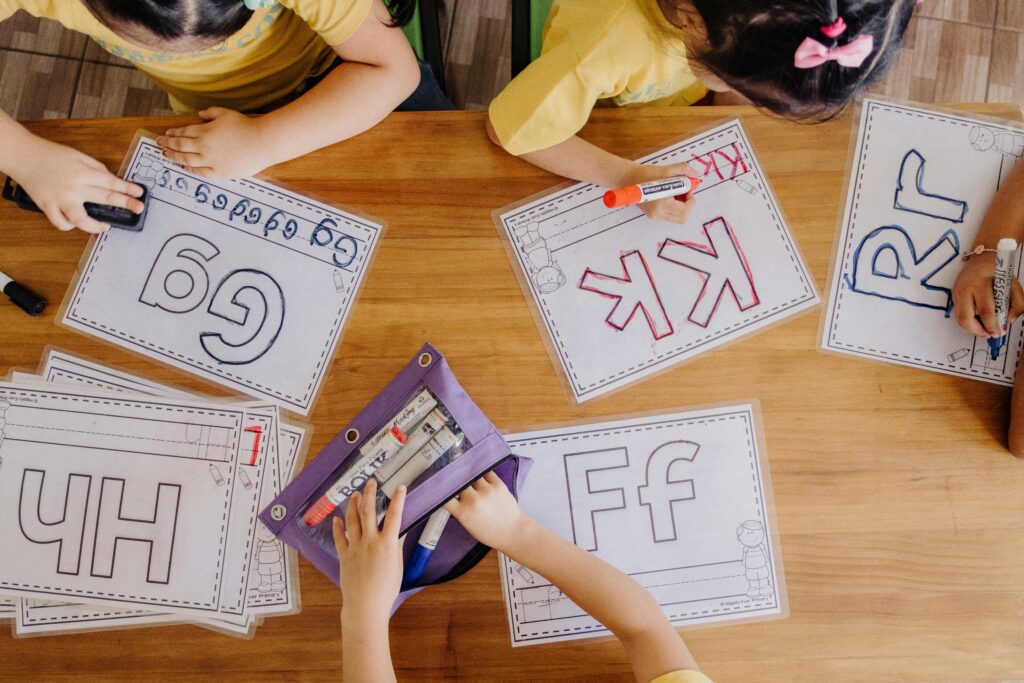
In your first year, focus on three areas: reading and language arts, mathematics, and something your child is genuinely curious about right now. For reading specifically, our guide to the best secular reading curriculum by stage helps you match a program to where your child actually is.
That third one matters more than it might seem. When a child experiences learning as following their own genuine curiosity, something shifts. They start to see themselves as a learner. That identity is worth more than any curriculum you could choose.
Build a Rhythm Before You Build a Schedule
Before you plan your hours, it helps to understand the difference between a schedule and a rhythm, and why one works so much better than the other for most families. The goal isn’t to replicate school at home. It’s to build a day that belongs to your family.
For a step-by-step guide to building a schedule that actually holds, read How to Create a Homeschool Schedule That Actually Works.
Secular Homeschool Daily Schedule Printable
A clean, ready-to-use daily schedule template for secular homeschool families. Print and go, no design skills needed.
- Letter and A4 size included
- Morning, midday, and afternoon blocks
- Space for notes and free time
- Instant digital download
Find Your Community
Homeschooling does not mean doing it alone. Most communities have co-ops, park days, sports leagues, and interest groups specifically for homeschool families. Search for homeschool groups in your area on Facebook, or check with your local library.
Give Yourself a Deschooling Period
If your child is coming out of traditional school, most experienced homeschoolers recommend a deschooling period, roughly one month of relaxed, low-pressure time for every year they were in a classroom.
Read together. Go on field trips. Follow tangents. Let your child lead. You’ll know when they’re ready to go deeper.
You Are Qualified
Research on homeschooling consistently shows that parental engagement, warmth, and genuine interest in a child’s learning matters far more than formal teaching credentials. You don’t need to know everything your child will ever learn. You need to be curious alongside them.
Most parents who start homeschooling say the same thing a year in: it’s harder than I expected in some ways, and better than I expected in most. Both things tend to be true.
Frequently Asked Questions
Do I need a teaching degree to homeschool?
No. Most states have no educational requirement for homeschool parents beyond a high school diploma, and several have no requirement at all. Research consistently shows parental engagement matters more than credentials.
How much does homeschooling cost?
It varies widely. Some families spend a few hundred dollars per year using library resources, free online tools, and low-cost printables. Others spend several thousand on structured curriculum packages. Most find a middle ground that fits their budget and their child’s learning style.
What about socialization?
This is the question every new homeschool family gets. The short answer: it’s not the problem people assume it is. Homeschool co-ops, sports teams, community classes, neighborhood friendships, and family activities all provide meaningful social connection. Many homeschooled kids report more diverse social lives, not less, because their days aren’t confined to one age group in one building.
When is the right age to start?
There’s no single right answer. Many families start in kindergarten or earlier, building relaxed, play-based days. Others pull children from school in the middle years or high school. Each entry point has its own considerations, but families start successfully at every age.
Ready to choose a curriculum? Our honest guide to the best secular homeschool curriculum for elementary kids breaks down the top options by subject and learning style.