Some mornings, everyone ends up in the same bed. A small body crawls in from the left, another appears from the right, and for a few minutes nobody is asking for anything or going anywhere. The day hasn’t started yet. It’s just warm, and quiet, and together.
That feeling – that particular quality of unhurried morning – is one of the things homeschooling makes possible. Not every morning. But more mornings than you’d expect.
The Morning Sets Everything
There’s a reason the first hour of the day matters so much. It isn’t just about getting started – it’s about arriving. When a child moves through a familiar, predictable morning, something settles in them. The day feels safe. The learning can begin.
The goal of a morning routine isn’t to be efficient. It’s to create the conditions for a good day – for your children, and for yourself.
It Starts the Night Before
The families who have the calmest mornings are often doing something small the night before. Tomorrow’s clothes are chosen. The books for the first lesson are already on the table. Breakfast is half-organized before anyone goes to sleep. Nothing dramatic – five minutes, maybe ten. But in the morning, those five minutes return multiplied.
The Four Things That Matter
Movement first. Before any learning happens, children need to arrive in their bodies. A walk outside, ten minutes in the garden, a spontaneous dance in the kitchen. This isn’t extra – it’s neurologically necessary.
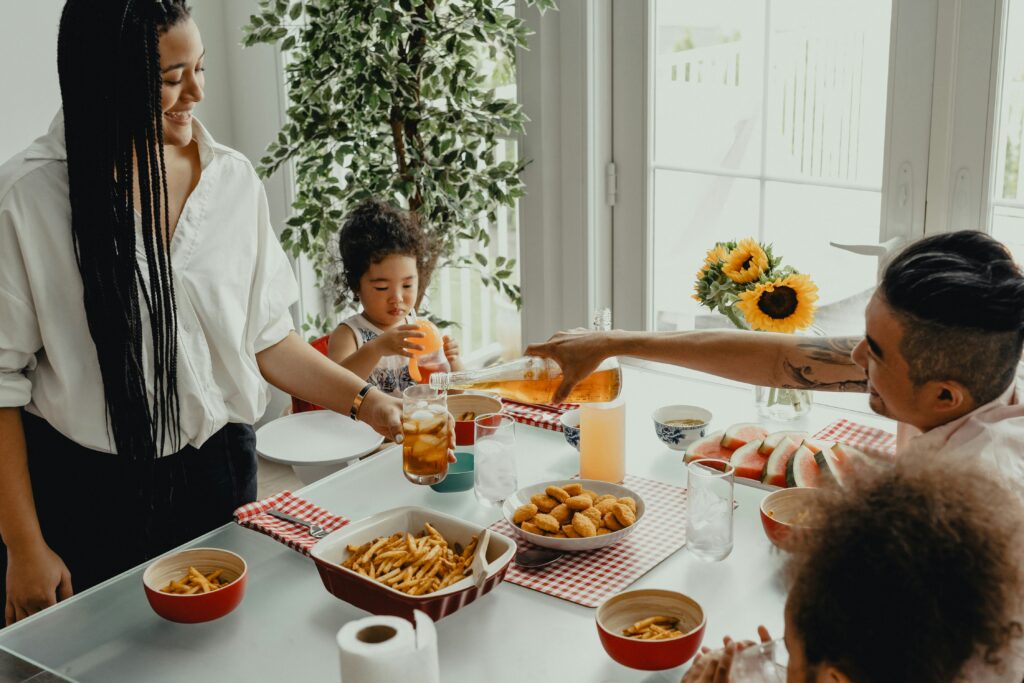
Breakfast together. This is the anchor. The moment when everyone is in the same place, nourishing themselves, talking about those nothing in particular – or everything. Keep it simple enough to happen every day.
A transition. Something small that closes the morning and opens the learning. Clearing the table together. A short poem read aloud. A specific playlist that only plays at this time. The brain needs a signal: that part of the day is ending, this part is beginning.
Starting with something your child loves. The first lesson of the day shapes how the whole day feels. Begin with a subject your child is good at or genuinely excited about. Success in the first twenty minutes creates momentum that carries forward.
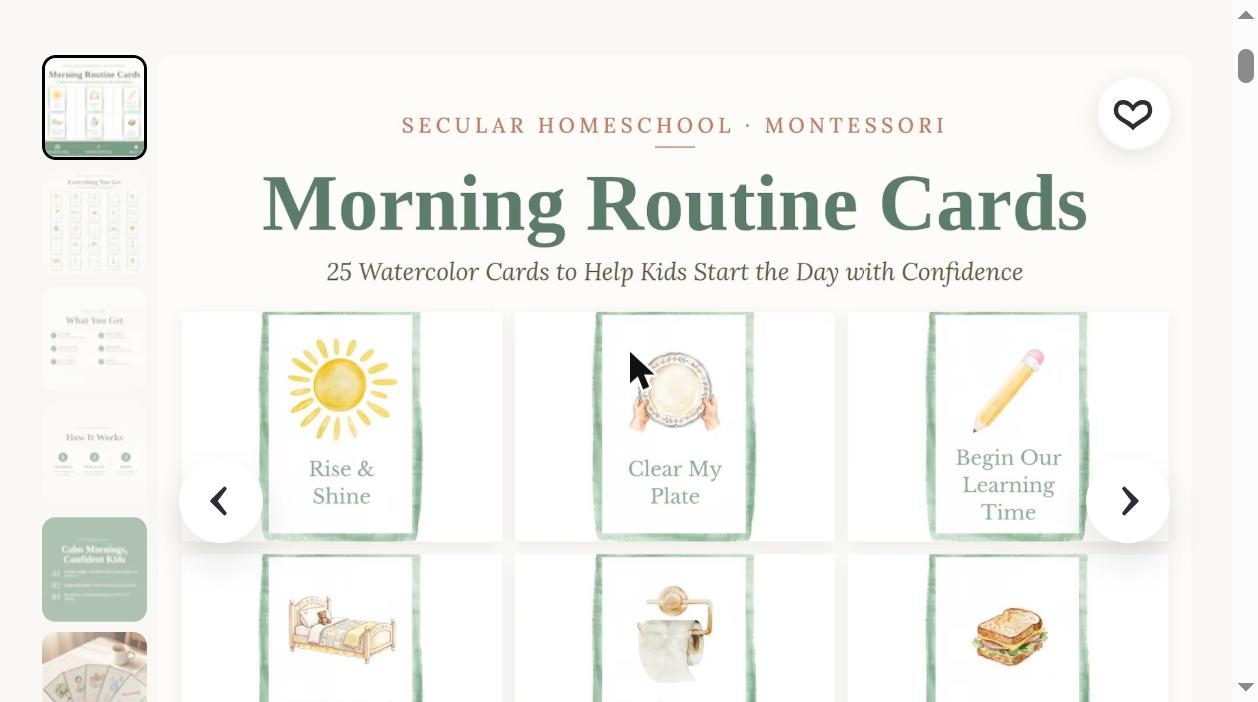
Want a visual way to make this stick?
The four things above are easier to keep when your child can see them. These printable watercolor Morning Routine Cards put each step on its own card, so your child can move through the whole morning on their own. No nagging. No reminders.
Get the Morning Routine Cards →Instant download. Print today, use it tomorrow morning.
There’s No Right Length
Some families move through their morning in thirty minutes and feel ready. Others take two hours and that slowness is exactly what they need. A morning with a toddler looks nothing like a morning with a ten-year-old.
The question isn’t how long your routine should be. It’s whether it’s working for your family right now.
When It Falls Apart
It will fall apart sometimes. When this happens, don’t abandon the routine. Find the one thing inside it that can still happen – breakfast together, or just ten minutes outside – and let that be enough. The routine is still there, underneath. It comes back.
As They Grow, Let Them Lead It
Post the routine somewhere visible. Stop guiding each step, and let them move through it independently. Step back a little further each month. The child who learns to organize their own morning is building something that will serve them long after they’ve left your home.
A Place to Start
Every family is different, but here’s a simple framework you can adapt:
Wake, get dressed, make the bed. Breakfast together, without screens. Time outside or free movement. A small transition ritual. First lesson.
The times matter less than the sequence. Find the sequence that fits your family’s natural rhythm, and let it repeat until it becomes its own kind of music. And if you want concrete ideas for that early movement-and-play block, our screen-free morning activities for homeschoolers are calm, independent options kids can start on their own.
When the mornings themselves still feel rushed and loud, our guide to a calm morning routine for kids walks through how to slow the whole start of the day down, step by step.
Ready to make this routine visual? The Morning Routine Cards turn everything in this article into something your child can hold.