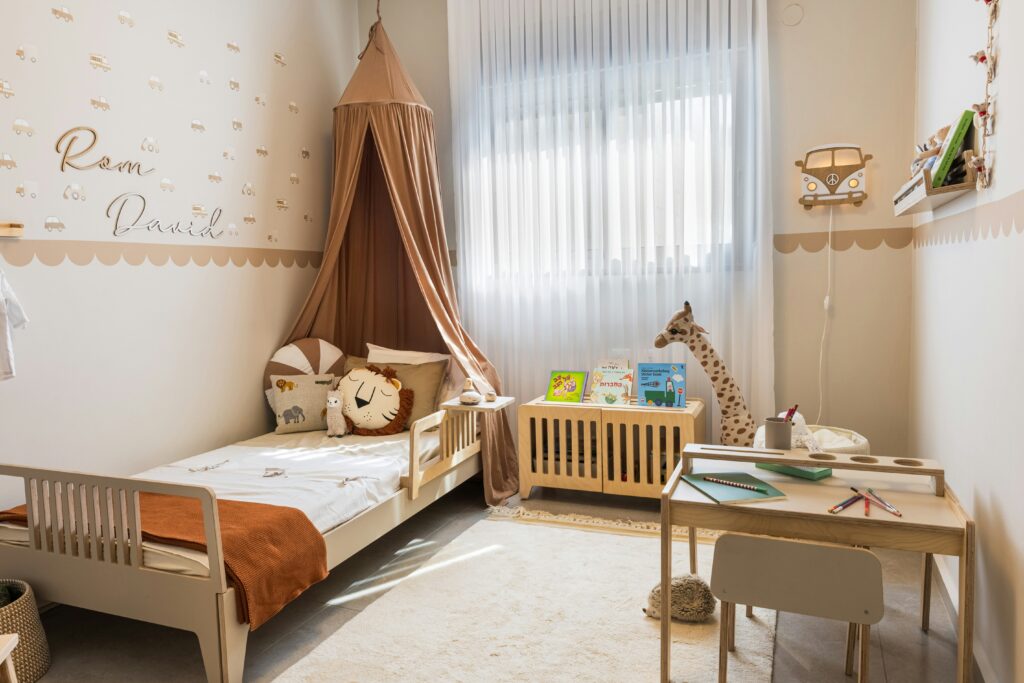
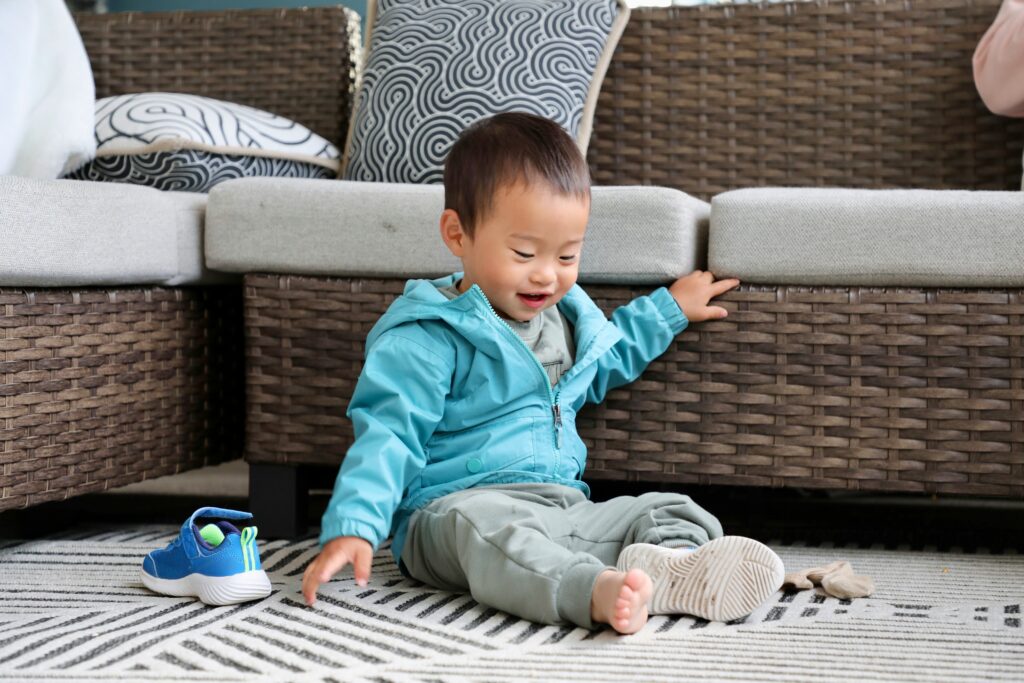
It’s 7:42. You have said the word “shoes” four times. Your kid is standing in the hallway holding exactly one sock, staring into the middle distance, and you can feel your voice climbing toward a pitch you promised yourself you would stop using before eight in the morning.
Here’s the part nobody tells you: the problem usually isn’t the routine. Most families already have one. The problem is that the routine lives inside your voice — which means every single morning, you have to run it out loud, step by step, for a kid who has heard it four hundred times.
Getting kids to do their morning routine independently isn’t about finding better reminders. It’s about handing the job over on purpose, in stages, until the routine belongs to them instead of to you.
Why More Reminders Make Mornings Worse
Reminding feels like the responsible thing to do. It’s also the thing quietly keeping your kid dependent on you.
When a child knows a fifth reminder is coming, the first four stop counting. You’ve accidentally taught them that your voice is the real deadline — not the clock, not the chart, not the bus. So they wait. Not out of defiance, but because waiting works.
There’s a second thing happening underneath, and it has nothing to do with attitude. Spoken instructions vanish the second you finish saying them. Holding a five-step sequence in your head while you’re also hunting for a sock takes working memory that most kids under ten simply don’t have yet. When you call “brush your teeth and grab your backpack” from the kitchen, roughly one of those things survives the trip down the hallway.
So the fix isn’t more words. It’s fewer — replaced by something your kid can look at.
The One Shift That Changes Everything
Move the routine out of your voice and into the room.
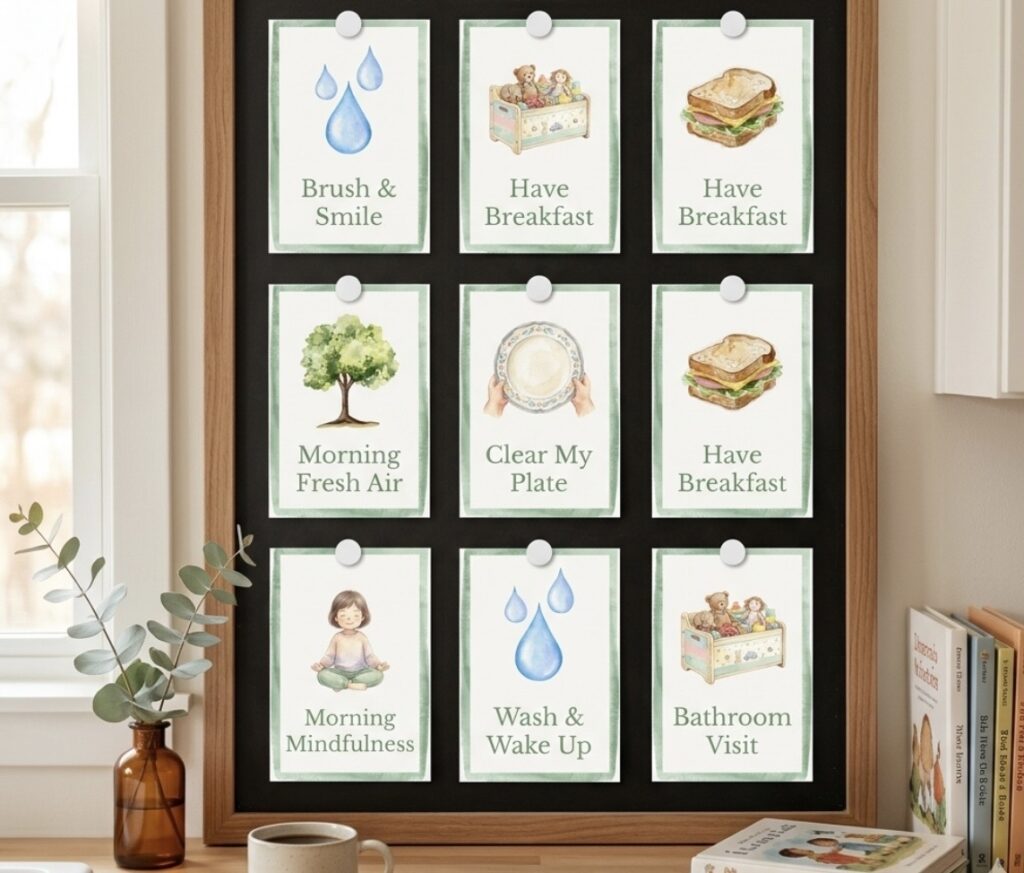
That’s the whole strategy. When the sequence lives somewhere your kid can see it — a chart on the wall, a strip of cards by the door, a short list at eye level in the bathroom — the reminder stops coming from a frustrated parent and starts coming from a neutral object.
This matters more than it sounds. A chart doesn’t sigh. A chart doesn’t use that tone. When your kid forgets step three, there’s no relationship friction to push back against, so there’s nothing to argue with. They look, and they go.
It also answers an uncomfortable question honestly. Right now, if you said nothing at all tomorrow morning, would anything happen? For most families the answer is no — and that’s exactly what the next three weeks fix.
Set It Up So the Handoff Can Actually Work
Before you hand anything over, the routine has to be handoff-ready. Three conditions do most of the work.
Cut it down to five or six steps
A twelve-step morning is a list your kid will abandon by step four. Strip it to the non-negotiables: get dressed, breakfast, teeth, hair, backpack, shoes. Everything else is a bonus you can add in a month.
If a step only matters on Tuesdays, it doesn’t belong on the chart. Consistency is what makes a routine run without you, and anything conditional breaks it.
Lock the order and never change it
Same steps, same sequence, every single day — weekends included where you can manage it. The order is what eventually becomes automatic. A routine that shuffles is a routine your kid has to think about, and thinking is the thing we’re trying to remove.
Hang it where the work happens, at their height
A chart on the fridge is useless if teeth get brushed down the hall. Put the sequence where your kid physically stands when they need it, mounted low enough that they don’t have to look up to read it.
A small cork board at kid height is the easiest way to do this — cards pin on, come off as the routine changes, and the whole thing costs less than a takeout coffee run. If you want the full walkthrough of building a wall that does this work for you, I covered it in my guide to homeschool organization ideas that actually work.
Give your kid a routine they can read themselves
The Visual Routine Cards from the Raising Curious Kids shop turn “what do I do next?” into a job list your kid runs on their own. Print, laminate, and hang them where the morning actually happens — morning, after-school, and bedtime sequences all included.
One practical note if you go the printable route: laminate them. Paper cards that hang on a wall and get handled by a six-year-old every single morning last roughly two weeks. A basic laminator and a pack of laminating pouches turn the same set into something that survives the whole school year. Go with the thicker 5 mil sheets rather than the thin ones — cards kids handle daily need to stay stiff enough to grab.
The Three-Week Handoff
Independence doesn’t happen because you announced on Sunday night that from now on, they’re in charge of their mornings. It happens because you deliberately step back one layer at a time, and the chart steps forward to fill the gap.
Week one — you walk it with them
Stand next to your kid and go through the chart together, out loud, pointing at each step as they do it. You’re not testing them yet. You’re teaching them that the chart is the boss, not you.
Say the step, point at the card, let them do it, move to the next one. Every time you point instead of just telling, you’re building the habit of looking — which is the entire skill you’re transferring.
Week two — you stop narrating and start pointing
This is the week that feels hardest, because you have to let a silence sit there while your kid figures out what comes next. Resist filling it. If they stall, walk over and tap the chart without saying a word.
A visual timer earns its keep here. Kids under about ten have almost no internal sense of how long ten minutes is, so “hurry up” means nothing to them. A timer they can see turns an abstract deadline into something concrete — and it takes the pressure off your voice again.
Week three — you go quiet
Now you make breakfast and stay out of it. When they come to you asking what’s next, you answer with a question instead of an instruction, and you let the chart do the rest.
Expect week three to be messier than week two before it gets better. That dip is normal, and it’s usually the last test of whether you actually meant it. Hold the line for four or five days and the routine starts running on its own.
The Only Sentence You Need
When your kid asks what they’re supposed to do next, don’t tell them. Say this instead:
“What’s next on your chart?”
That one sentence does more than any reward system I’ve tried. It sends your kid back to the chart instead of back to you, and it does it without a single word of criticism.
The trap is answering the question yourself, especially when you’re running late. The second you say “your shoes, you need your shoes,” you’ve taken the job back — and tomorrow they’ll ask again. Some mornings you will be late because you refused to answer. That is the price of the handoff, and it is worth paying for about a week.
What Independence Actually Looks Like by Age
Independence is not all-or-nothing, and expecting a six-year-old to run a morning like a twelve-year-old is how parents conclude that charts don’t work. Here’s a realistic picture:
- Ages 4–5. Pictures only, three or four steps, and you nearby. Success looks like them checking the chart at all, even if you still help with buttons and teeth.
- Ages 6–7. Five or six pictured steps with words underneath. They can run most of it with one or two chart-taps from you.
- Ages 8–10. A written list works now. Expect a genuinely hands-off morning most days, with the occasional total collapse when they’re tired.
- Ages 11+. They don’t need pictures, they need a deadline and their own alarm. Move the chart into their room and get out of it entirely.
One more thing worth saying out loud: an eight-year-old who runs their routine independently four days out of five is a success story, not a failure on the fifth day.
Win the Morning the Night Before
Half of every terrible morning was actually decided the night before. Shoes that vanished, a backpack nobody packed, a permission slip discovered at 7:50.
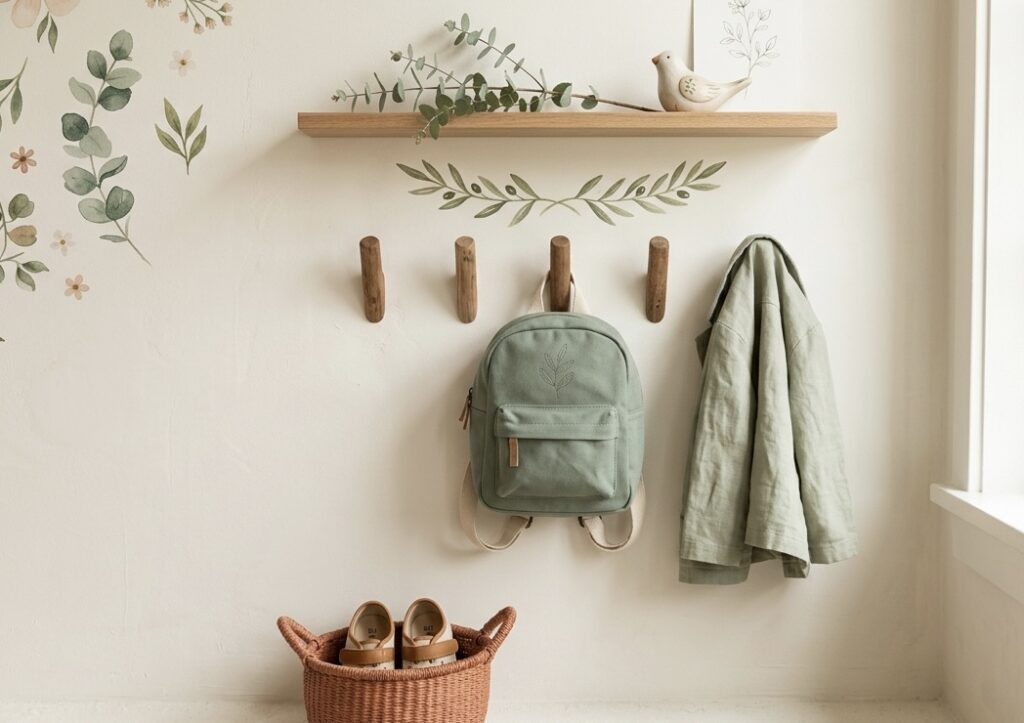
Build a launch spot by the door and make loading it the last step of the evening routine. A row of low wall hooks at kid height plus a single landing bin for shoes covers almost all of it. Clothes get picked out and set on the dresser before bed, no exceptions.
This is why morning independence and evening structure are the same project. If bedtime is currently its own battle, start there first — here’s my bedtime routine that ends the nightly fight, and the after-school routine that keeps the afternoon from unraveling before you get there.
When It Stops Working
Every system hits a wall around week four. The usual causes are predictable and fixable:
- They stopped looking at the chart. It’s become wallpaper. Move it to a different spot or let your kid rebuild it — novelty restores attention.
- You started reminding again. This is the most common one by far, and it usually creeps in during a stressful week. Go back to the question and hold it for a few days.
- The routine got too long. Somebody kept adding steps. Cut it back to six.
- They’re not sleeping enough. No chart survives an exhausted kid. If mornings fell apart suddenly, look at bedtime before you blame the system.
If Your Kid Needs More Support Than a Chart
For kids with ADHD, autistic kids, and anyone whose executive function is still catching up, a visual routine isn’t a nice-to-have — it’s the difference between a functional morning and a daily crisis. The mechanism is the same, just more so: when every step lives in a parent’s voice, that parent becomes the child’s working memory, and both people end up depleted before the day starts.
Expect the handoff to take longer than three weeks, and expect more backsliding. Keep the sequence shorter, use pictures well past the age you’d think necessary, and treat a chart-tap as a win rather than a failure to be independent.
If mornings tip into meltdowns regularly, the routine alone won’t solve it. Pair it with the tools in my post on calm-down strategies for kids — structure handles the predictable part of the morning, and regulation handles the rest.
Start Tomorrow Morning
You don’t need a new system, a reward chart, or a different kid. You need the routine to live somewhere other than your mouth, and you need to be willing to stay quiet long enough for your kid to find out they can do it.
Tonight, write six steps in order and hang them at your kid’s eye level. Tomorrow, walk it with them. In three weeks, you’ll be drinking your coffee while it happens without you — which was always the actual goal. For more on the pieces that make a calm start possible, see my calm morning routine and how to use morning routine cards once you have them.
Want a head start? Grab the free weekly planner below — it’s the simplest way to give your new rhythm a shape from day one.
Morning Routine Independence, Answered
At what age can kids do a morning routine on their own?
Most kids can run a short pictured routine with light supervision around age five or six, and manage it almost entirely on their own by eight or nine. Age matters less than consistency — a four-year-old with the same three steps every day often does better than an eight-year-old with a routine that changes weekly.
How do I stop reminding my child every morning?
Replace the reminder with a question: “What’s next on your chart?” It redirects your kid to the routine instead of to you. The hard part is not answering it yourself when you’re running late — but every time you do, you take the job back.
Do reward charts help kids follow a morning routine?
They usually produce a fast burst of cooperation that fades within a couple of weeks, because the motivation stays external. A visual routine chart works differently — it removes the mental load instead of paying for compliance, which is why it holds up over months.
What if my child ignores the routine chart completely?
Check three things: whether it’s hung at their eye level where the tasks actually happen, whether it has more than six steps, and whether you’ve quietly started reminding again. In most cases it’s the third one.
How long does it take for a morning routine to stick?
Plan on about three weeks for a typical school-age kid, with a noticeable dip in week three before it settles. Kids who need extra executive-function support often need six to eight weeks, and that’s normal rather than a sign the approach is wrong.